Caltrain could close more than a third of its stations and cut all weekend service if voters reject a regional transit sales tax in November, a new study projects.
The study, co-produced by the nonprofit SPUR and engineering firm Jacobs, was reported Thursday, Sept. 24, by the Mercury News. It modeled traffic effects if Bay Area voters reject the Regional Transit Measure, known as Prop. RTM, and San Francisco's Proposition H. SPUR sponsored Prop. RTM, a detail worth noting as voters weigh the findings.
The projections are specific. Peak-hour Bay Bridge delays could grow by 33 minutes westbound in the morning and 43 minutes eastbound in the evening. Caldecott Tunnel eastbound delays could jump from 13 minutes to 40. The study also projects worsening congestion on Interstate 580, Interstate 680 and U.S. 101.
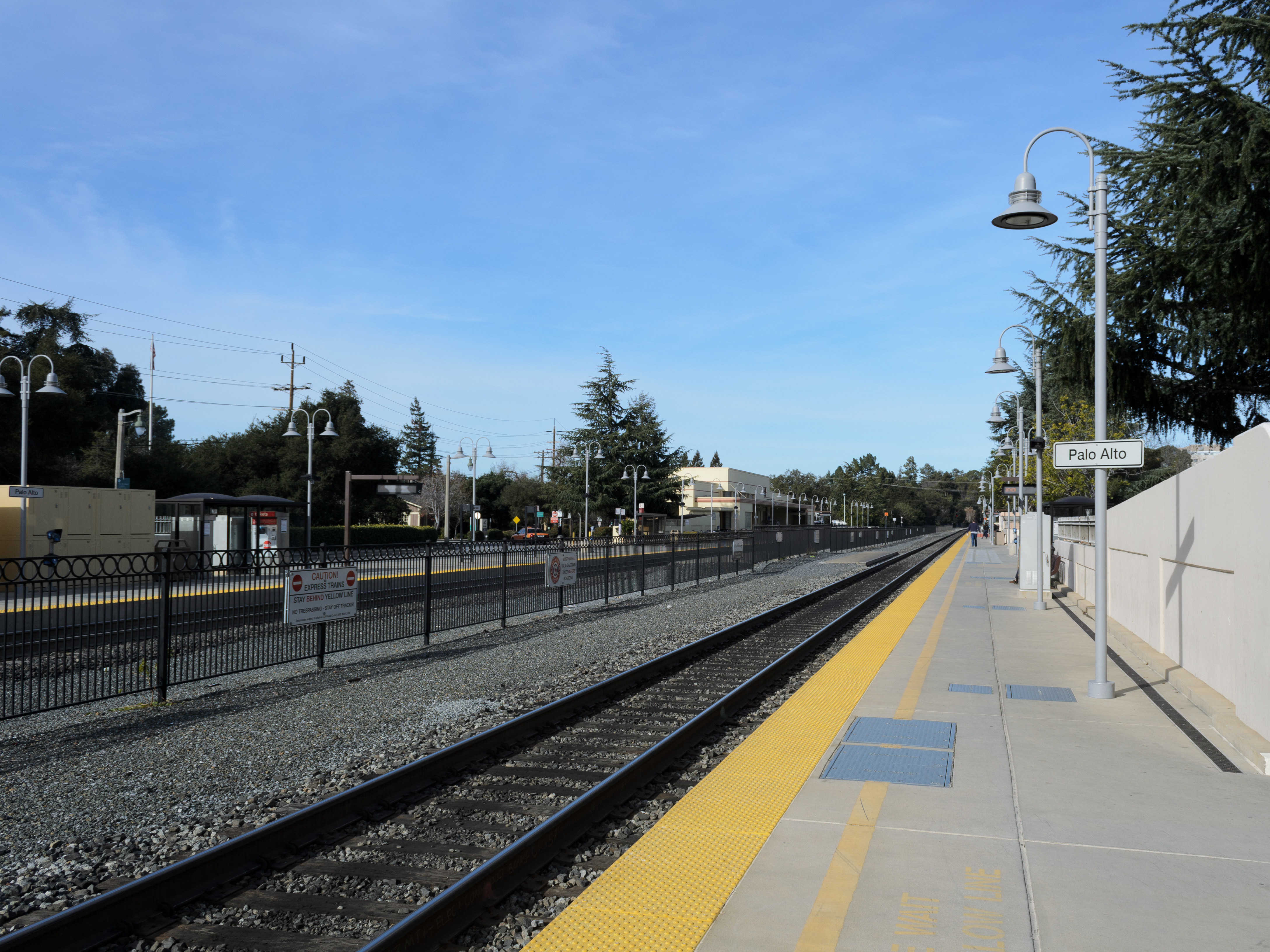
For Burlingame and Hillsborough residents who rely on Caltrain, the stakes are direct. Under the agency's contingency plan, Caltrain would reduce service to once an hour, eliminate weekend trains, end service at 9 p.m. and close more than a third of its 31 stations. Neither Caltrain nor BART has determined which stations would close. The study assumed agencies would shutter the lowest-ridership stops first.
BART could close up to 15 stations and also end service at 9 p.m. AC Transit would lay off more than 200 workers.
"If riders leave, it will be unsustainable," BART Director Victor Flores said at a budget meeting in February 2026. "And then the conversation is not going to be about which communities do and don't have stations. It's going to be about how we have to adapt."
Laura Tolkoff, SPUR's transportation policy director, said the highway bottlenecks compound, with Bay Bridge approaches hit hardest.
If passed, Prop. RTM would raise the sales tax by half a cent per dollar for 14 years in Alameda, Contra Costa, San Mateo and Santa Clara counties, and by one cent in San Francisco. The measure is projected to raise about $980 million a year. San Mateo County would receive roughly $50 million annually in locally controlled transit funding, according to the SamTrans board.
Not everyone sees the tax as the answer. Gregg Dieguez, president of the Committee for Affordable Bay Area Transit, has called on voters to reject the measure. He argues agencies preserved a cost structure built for pre-pandemic ridership rather than adapting. Dieguez wants a $1 billion reallocation of high-speed rail funding toward Bay Area transit, a new funding plan within a year and a more modest sales tax on a future ballot.
BART averaged 212,716 weekday trips in August, according to the agency's ridership report. That is still roughly half the 404,552 daily average recorded before the pandemic.
Caltrain carries about three freeway lanes' worth of riders during peak periods, according to an agency planning document from April 2026.
Voters in the five-county district will decide on Prop. RTM in November.