California's fifth attempt to regulate automated license plate readers died on the final day of the legislative session. Burlingame and Hillsborough residents remain without state-level privacy protections on data collected by cameras their police departments operate.
Senate Bill 1013, authored by state Sen. Sabrina Cervantes (D-Riverside), was blocked in the Assembly by majority leader Cecilia Aguiar-Curry on Monday, Aug. 31, before it could reach a floor vote. CalMatters reported the bill's death on Thursday, Sept. 3.
The bill would have restricted police to using plate data only for locating criminal suspects or missing people, required privacy and cybersecurity training, limited sharing with national databases and required the attorney general's office to conduct random audits.
Every bill proposed since 2022 to reform license plate tracking in California has died. A similar measure passed the Legislature last year but was vetoed by Gov. Gavin Newsom, in part because it would have ordered police to delete plate data after 60 days.
Local cameras, countywide concerns
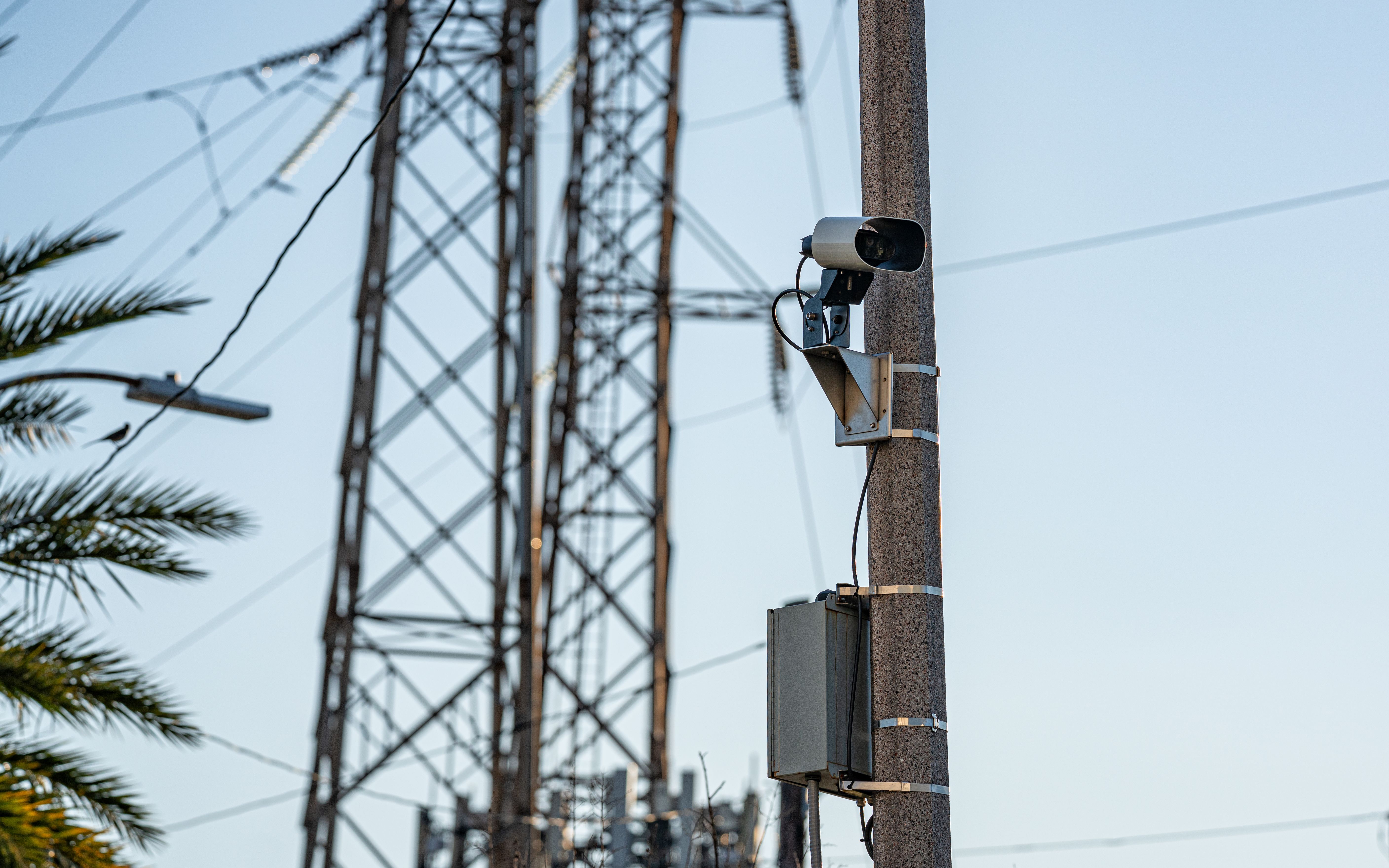
Both Burlingame and Hillsborough police departments use the technology. More than 582 plate-reading cameras were deployed across San Mateo County as of March 30, according to a San Mateo County Civil Grand Jury report released in August. Only Broadmoor, a community near Daly City, lacks the cameras countywide.
The grand jury found that most cities have policies requiring written requests before sharing camera data with other agencies but have not actually followed those policies. Required policy documents were "deficient or need significant revision to accurately reflect current operations," the report said.
In Burlingame, Police Chief Mike Matteucci partially credited the cameras with reducing crime, including catalytic converter thefts, at a December 2023 meeting.
What the bill would have changed
SB 1013 had already been weakened before it died. An original requirement that police delete plate data after 30 days was replaced with a 60-day "archive" provision. After that window, officers would have needed a warrant to search the data unless it was tied to an active investigation.
Nearly 40 law enforcement agencies and police unions opposed the bill.
"It's a really disappointing outcome at a time when there is bipartisan concern about this mass surveillance tool," Catherine Crump, co-director of UC Berkeley's Center for Law & Technology, told CalMatters after the bill was blocked.
Lawmakers say officers have unlawfully used plate readers to stalk or harass private citizens in seven California counties. The California Attorney General's Office has contacted 18 law enforcement agencies about possible violations of a state law prohibiting sharing plate reader data with out-of-state or federal agencies.
Cervantes said in a statement Aug. 31 that she plans to continue pushing for privacy protections in 2027. No specific bill has been introduced.