A single lithium-ion battery caused nearly $8.5 million in damage, according to RethinkWaste, and shut down San Mateo County's main recycling facility for five months.
Ten years later, the agency that runs the plant wants Burlingame and Hillsborough residents to know the rules for tossing out batteries have changed.
RethinkWaste, the joint powers authority that manages waste services for 11 San Mateo County jurisdictions including Burlingame and Hillsborough, published an anniversary post Sept. 8 marking the decade since the Sept. 7, 2016, fire at the Shoreway Environmental Center in San Carlos.
The blaze broke out inside the center's Materials Recovery Facility after a lithium-ion battery entered a cardboard-sorting machine called the OCC screen, which uses large gears to separate cardboard and crush glass. The battery was damaged and sparked.
About 100 firefighters responded, and the fire grew to four alarms. No one was injured.
Heat-activated vents designed by RethinkWaste Principal Engineer and Operations Manager Hilary Gans directed flames upward and prevented the fire from spreading through the building. The processing equipment and facility interior still suffered extensive fire, smoke and water damage.
The plant, which handled nearly 50 tons of material per hour, did not reopen until February 2017. Some employees were temporarily furloughed.
New disposal rules
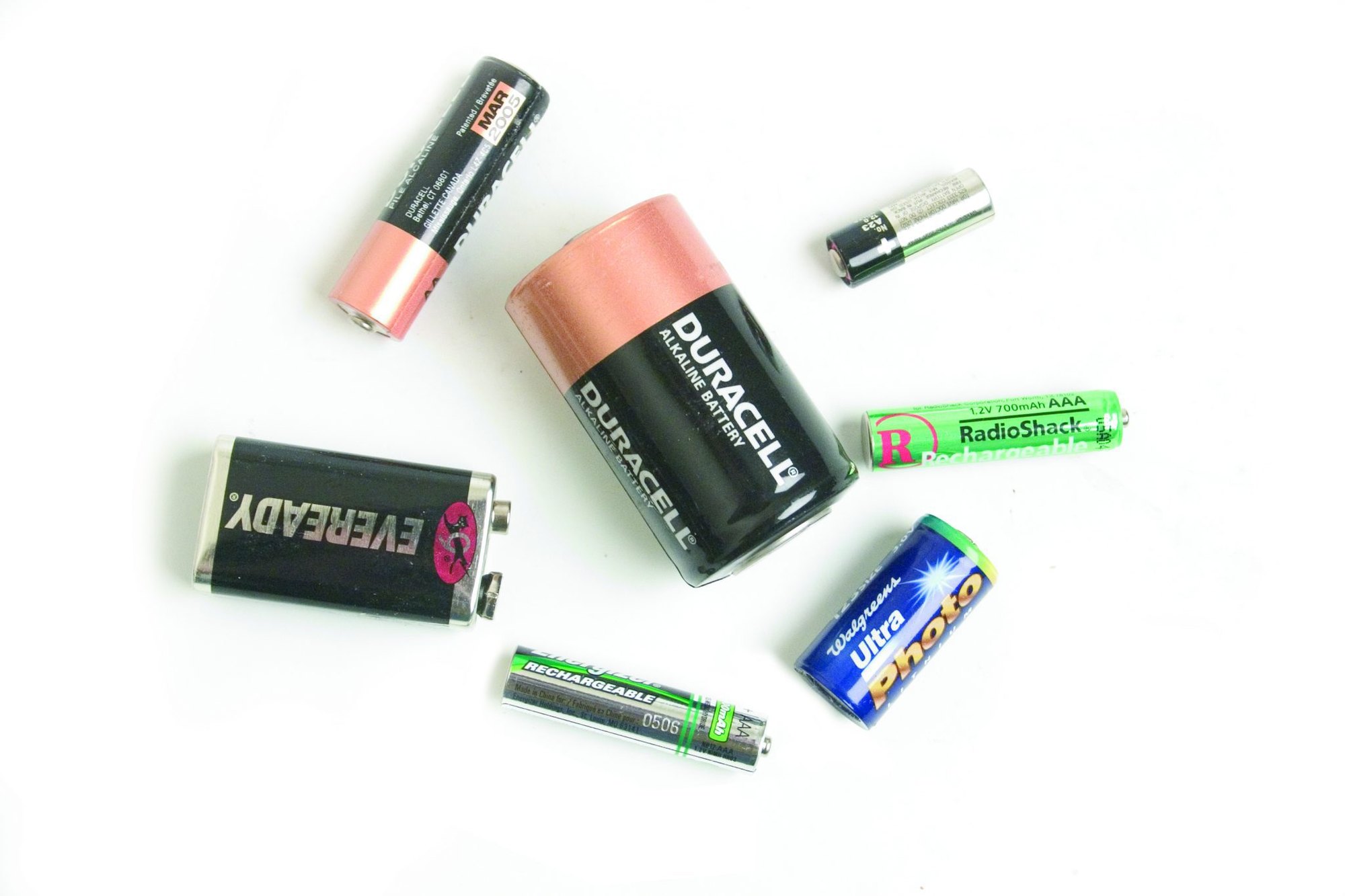
Before the fire, residents placed household batteries in a bag on top of their blue recycling bin. RethinkWaste changed that protocol in September 2018: batteries now go in a clear zip-top bag on top of the black landfill bin. The switch ensures any missed bags are routed to the transfer station rather than the sorting facility where they could spark another fire.
The Shoreway Environmental Center's Public Recycling Center at 333 Shoreway Road in San Carlos also accepts household batteries for free drop-off.
Vapes called 'existential threat'
RethinkWaste Executive Director Joe La Mariana, who started the job just five weeks before the 2016 fire, said the blaze played a "huge role" in the agency becoming a louder industry voice on battery safety. He warned that disposable vapes, which contain sealed lithium-ion batteries that users throw away after short use, pose a growing danger.
La Mariana said in the anniversary post that disposable vapes "represent an existential threat" to facilities like the Shoreway Environmental Center.
Nationally, a 2024 CDC Foundation study estimated Americans discard about 500,000 disposable vapes every day. Fire Rover analyst Ryan Fogelman counted 448 waste and recycling facility fires across the U.S. and Canada in 2025, the worst year since he began tracking in 2016, according to Waste Dive.
RethinkWaste co-sponsored Assembly Bill 762, which would ban disposable nicotine vapes in California. The bill, introduced by Assemblymember Jacqui Irwin, passed the state Senate 30-9 on Aug. 25 and the Assembly 47-16 on Aug. 26, according to Vaping360. It now awaits Gov. Gavin Newsom's signature.
If signed, manufacturing and importing covered devices would be prohibited starting Jan. 1, 2027, with a retail sales ban beginning Jan. 1, 2028.
Gans said sorting technology alone cannot solve the problem. Batteries are often too small, and the facility processes too much material per minute to catch every risk in real time. Detection also does not prevent fires that start earlier in collection trucks or on the tipping floor.
Residents can find battery disposal options at RethinkBatteries.org.